Studio interview
Clean framing, presenter eyelines, focus discipline and subtle reframing.

Each practice block begins with a simple production brief: what is happening, who needs to be seen, what the visual priority is and what the operator should be ready for.
The first take is followed by review rather than a long lecture. We identify the strongest part of the shot and one change that would make the next take more reliable.
Repeating the same situation with a small change—different movement, different lens, different lighting or a new cue—helps turn technique into instinct.
A camera skill should survive outside the classroom. That means practising both controlled studio work and situations where the operator has to make decisions quickly.
Clean framing, presenter eyelines, focus discipline and subtle reframing.
Fast location checks, changing light, handheld movement and unpredictable subjects.
Long-lens coverage, reactions, movement and direction through a headset.
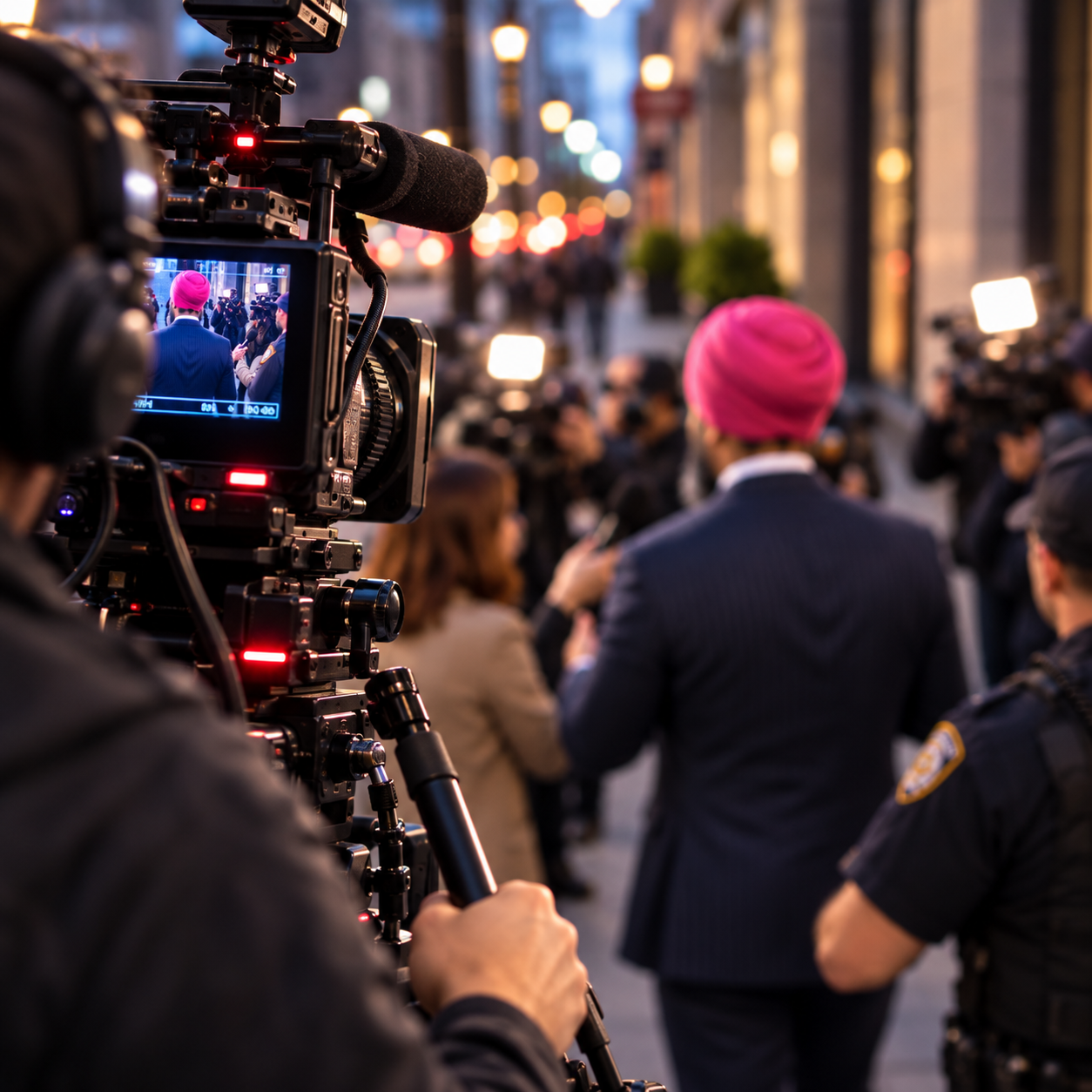
A camera operator works inside a larger system. Directors, producers, sound teams, floor staff and other operators all influence what the camera needs to do next.
Practice therefore includes communication drills: acknowledging cues, holding a position, changing a shot without panic and recovering when the expected action happens earlier than planned.