Interview Camera Workshop
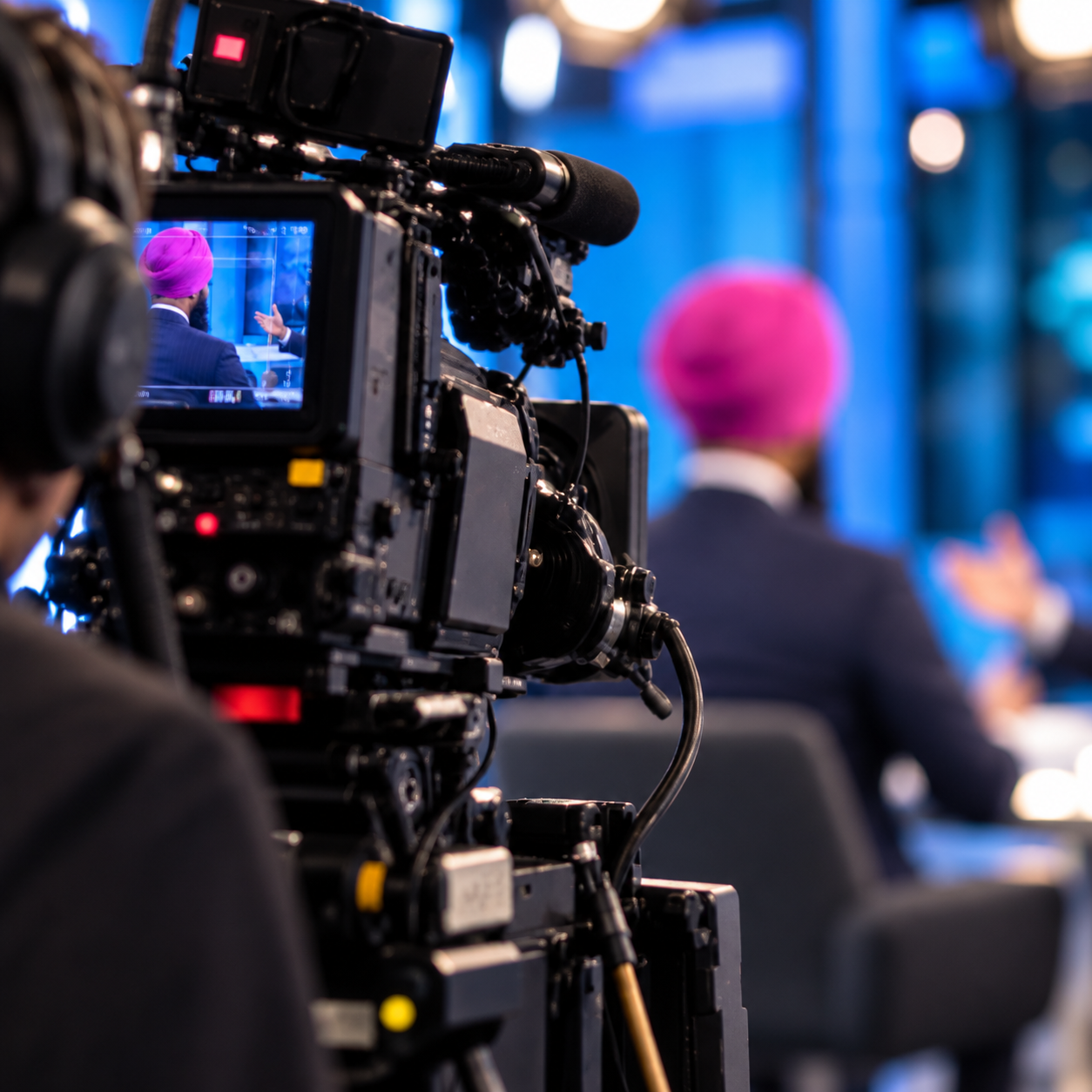
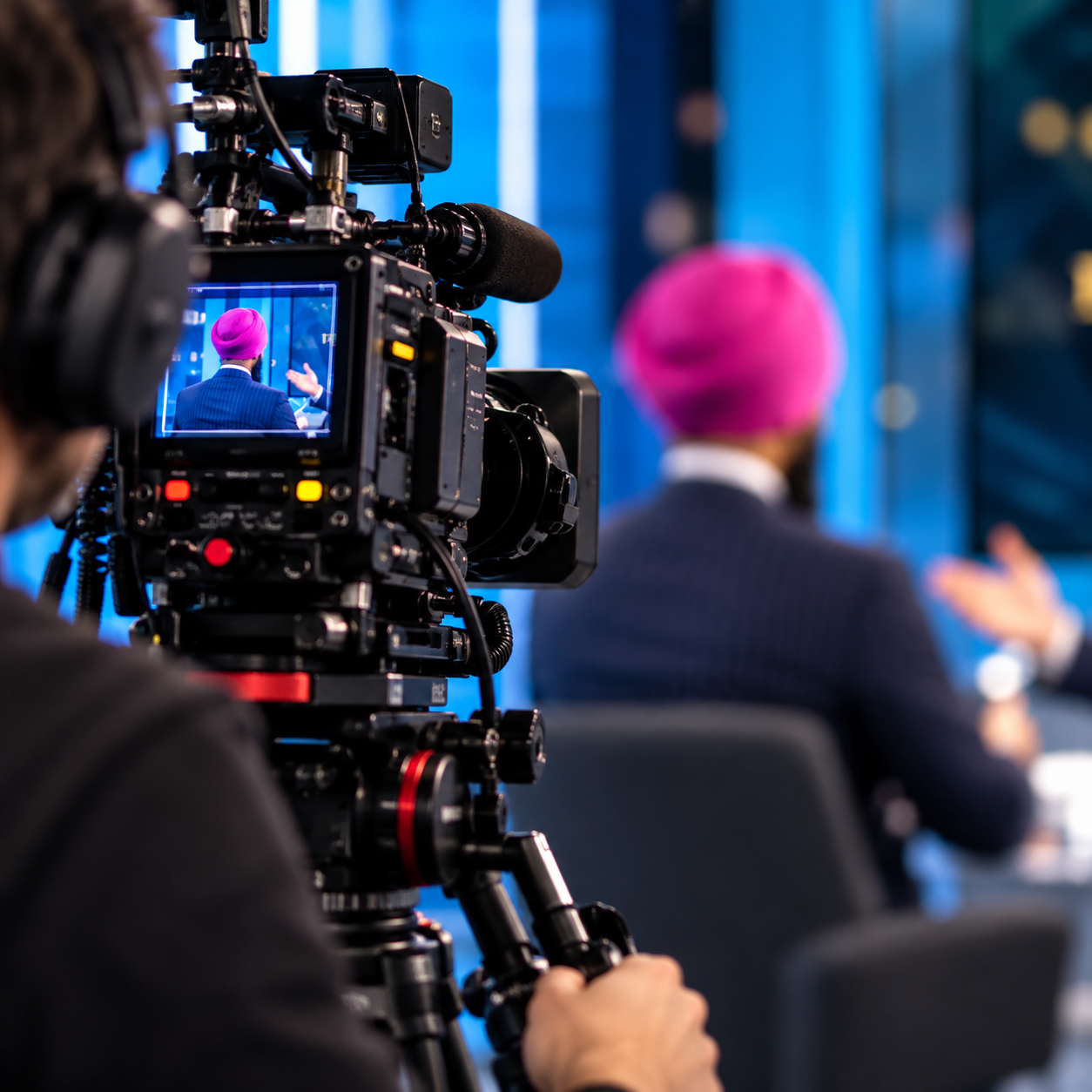
Tripod and pedestal movement, presenter framing, eyelines, headroom, camera matching and multi-camera awareness. Students practise holding a clean shot before adding movement.
Media Axis is a practical training concept for aspiring television camera operators, videographers and production crew. We focus on the decisions that make a shot usable: preparation, composition, exposure, movement, timing and clear communication with the rest of the production.
Explore training →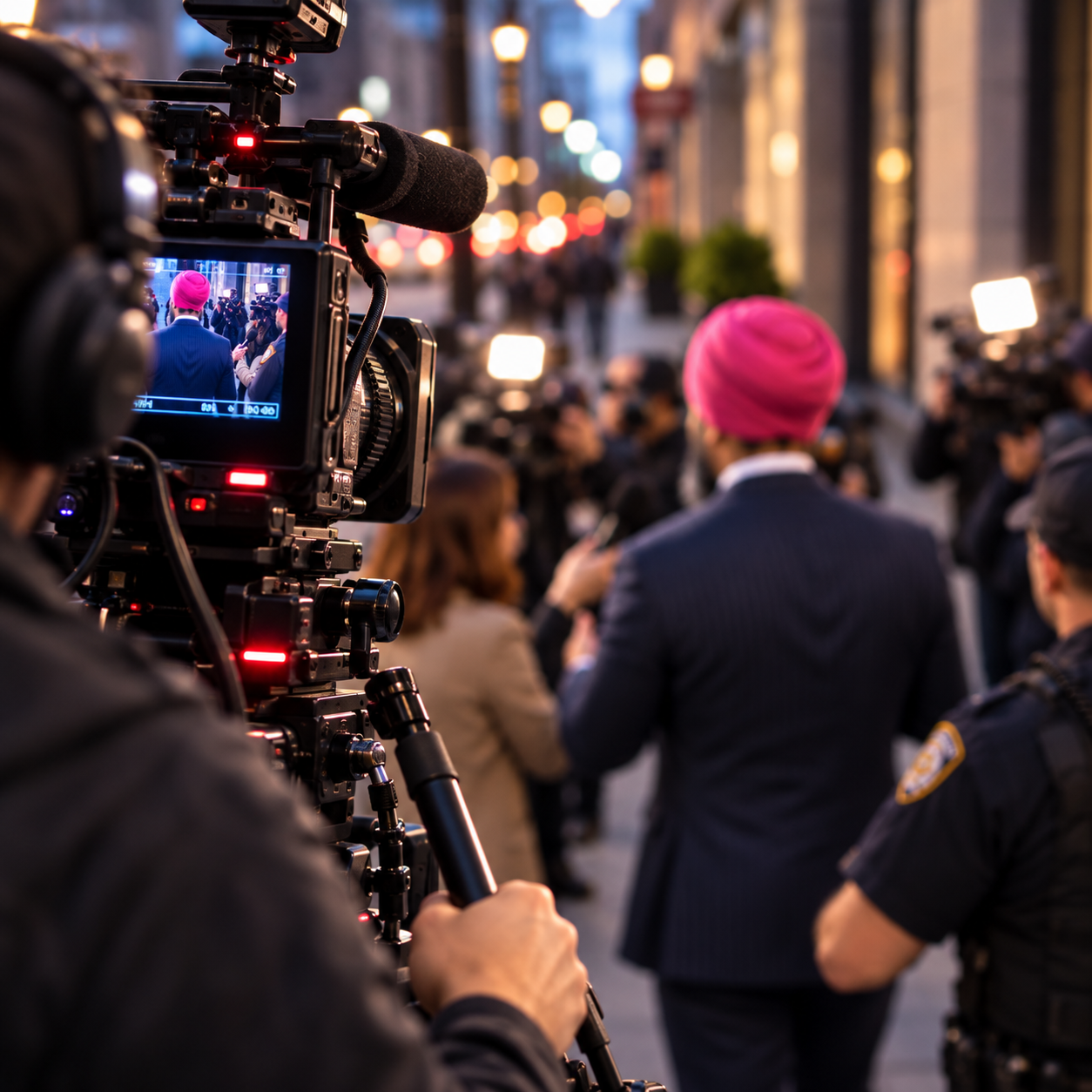
Good camera operation is more than knowing where the buttons are. An operator has to understand the visual priority, anticipate movement, protect the frame and stay responsive to direction.
Our curriculum is written around realistic production situations. Students work through camera setup, lens choices, focus, exposure, tripod movement, interview framing, live coverage and multi-camera awareness. Repetition turns technical knowledge into a dependable workflow.
Build the camera correctly and check the technical details before the first take.
Choose composition that supports the story and remains stable under pressure.
Listen for cues and adjust smoothly without losing the picture.
Watch the result and correct one specific weakness at a time.

Television production rarely gives an operator perfect conditions. The guest may move, the lighting may change, the director may call a new shot or another camera may become unavailable. Training should prepare you for those moments instead of assuming everything will stay still.
Exercises are structured so that students can repeat the same scenario with small changes. That makes it easier to identify whether a problem came from timing, focus, composition, camera movement or preparation.
We also place emphasis on communication. Camera operators work inside a crew, and a clean acknowledgement or a well-timed adjustment can make the whole production more efficient.
Each track is practical, equipment-focused and designed to be useful for people entering broadcast work as well as creators moving toward professional production.
Tripod and pedestal movement, presenter framing, eyelines, headroom, camera matching and multi-camera awareness. Students practise holding a clean shot before adding movement.
Interview coverage, changing light, location awareness, handheld stability and fast decisions. The emphasis is on knowing when to move and when the strongest choice is to hold.
Live-event composition, long-lens technique, reaction shots and headset communication. Operators learn to stay useful while the production changes around them.


Stock photography from Pexels. The three main supplied photographs are included in every site as requested.